HDPE Pipe Price Guide in India
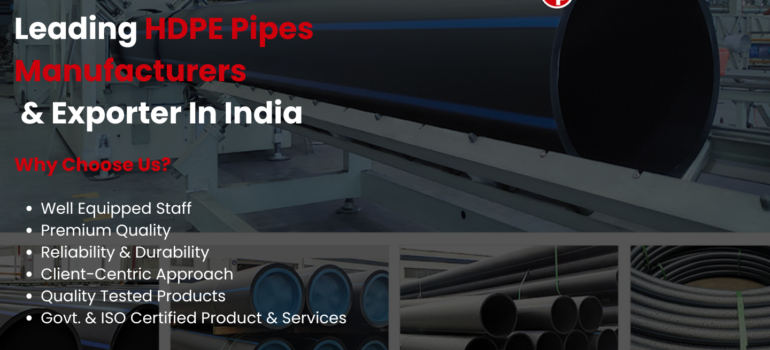
The demand for HDPE pipes continues to grow across India. There are many industries that have now started preferring these pipes for daily operations. Farmers, builders, contractors and industries use the pipes for different projects. These pipes offer excellent flexibility, durability, and strength. It also provides long-term performance in our condition.
There are many buyers who now search for a reliable HDPE pipe manufacturer in India, Jaipur, Patna, Bhopal, Chandigarh and Delhi. Irrigation systems and infrastructural growth have increased demand this year, and the upcoming modern construction project also needs a durable piping system for sewage transportation and water management
Many people prefer HDPE pipes as they can resist leakage and corrosion. These pipes also have reduced maintenance costs. Buyers mostly use them for water conveyance projects, irrigation systems, underground sewage networks, and industrial transportation.
The prices of pipes depend on different factors. Pipe thickness, pressure rating, size and raw material quality have a direct impact on the final cost. Regional demand and transportation have also had an influence on the pricing.
Bharat Polymers is a name of the top-notch HPPE pipe manufacturer in Bhopal, Chandigarh, Delhi, Jaipur, Patna and Kolkata. The company provides durable products for infrastructure, agriculture and industrial applications.
What are HDPE pipes?
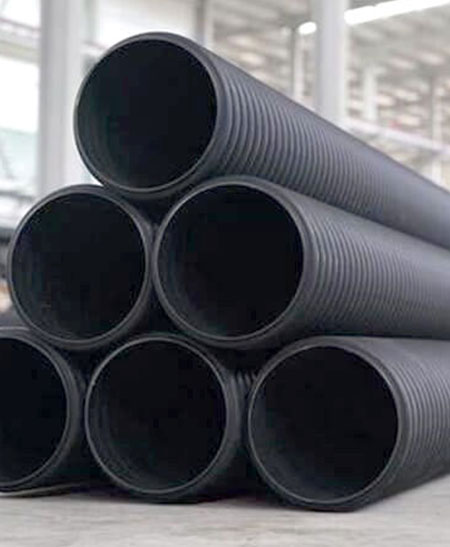
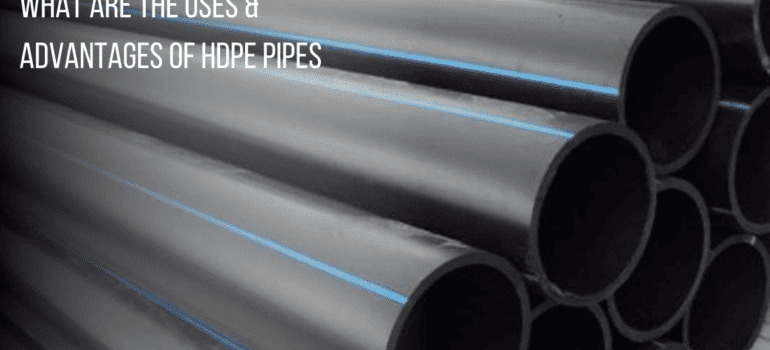
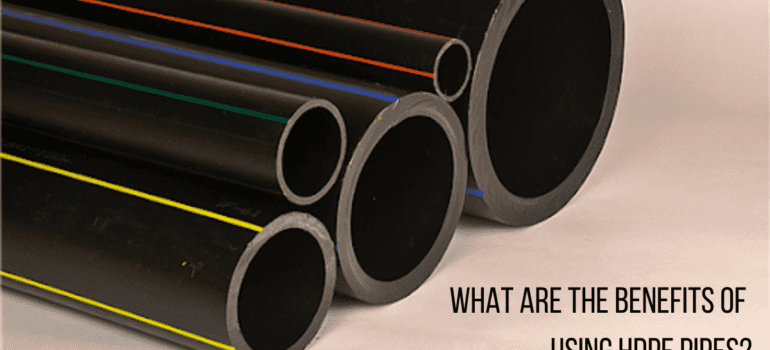
HDPE stands for high-density polyethylene. Manufacturers mostly use strong thermoplastic materials to produce these pipes. The material offers excellent flexibility and durability. Many industries have now started choosing HDPE pipes as they perform well in difficult conditions.
Traditional metal pipes often develop corrosion over time. However, HDPE pipes effectively resist moisture and chemicals. These pipes also support underground installation without significant risk of damage.
Many industries have started replacing old metal pipelines with modern HDPE piping systems. These pipes can improve water flow and reduce leakage problems. They would also need less maintenance compared to traditional piping materials.
Main features of HDPE pipes
- Corrosion resistance: HDPE pipes resist chemicals, moisture, and rust very effectively. The feature increases its lifespan significantly. Industries mostly prefer these pipes because they perform well in harsh environments.
- Flexible structure: These pipes provide excellent flexibility during installation. Workers can seamlessly bend them without any damage. The flexibility reduces breakage and Installation problems.
- Leak-proof performance: HDPE pipes form secure, strong joints. These joints help prevent water leakage. Better leakage control can improve water conservation.
- Lightweight design: Workers can easily transport and install these pipes. The lightweight structure also reduces labour and the overall transportation cost.
- Long Service life: Quality HDPE pipes can last for decades. Proper maintenance and Installation can further improve its lifespan.
Common applications for HDPE pipes
Many industries make use of HDPE pipes for different applications. The strength and durability of these pipes make them suitable for multiple projects.
- Water supply system: Municipal projects can use these pipes for drinking water transportation. These pipes support smooth and safe water flow.
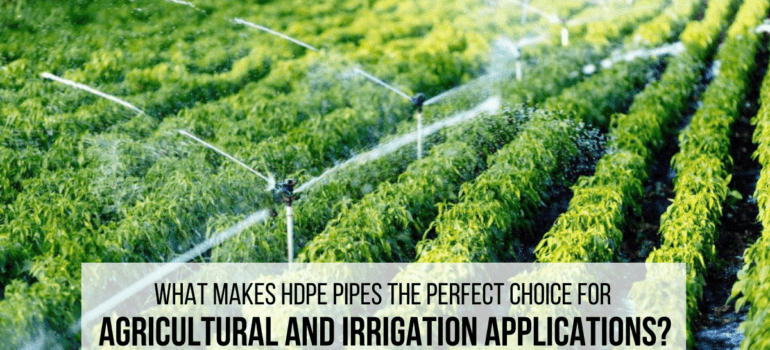
- Agricultural irrigation: Farmers mostly use HDPE pipes for sprinkler and drip irrigation systems. These pipes can help with water conservation and improve irrigation efficiency.
- Underground sewage system: Modern sewage systems use durable underground pipelines. HDPE pipes can handle sewage transportation efficiently.
- Industrial water transport: Factories mostly use it for transporting chemicals and fluids. The chemical resistance of this pipe improves industrial performance.
Factors that affect HDPE pipe prices in India
You can find HDPE pipe manufacturers in India, but different factors can influence their prices. Buyers need to understand these factors before making a decision.
- Pipe size and diameter: Pipe size has a direct effect on the final price. Larger pipes need more raw material during manufacturing. So, bigger pipes will usually cost more than smaller pipes. Small pipes work well for household and irrigation systems. Larger pipes can support municipal and industrial applications.
- Pressure rating and SDR value: The pressure rating clearly determines the pipe’s strength and durability. Pipes that have a higher pressure rating will usually cost more. Different projects need different pressure capacities. SDR values also influence the performance and thickness. Buyers need to always compare the technical specifications before they decide.
- Quality of raw materials: Raw material quality also plays an impactful role in pipe durability. Virgin HDPE materials have better strength and longer life. Low-quality recycled materials reduce the overall performance. Reliable manufacturers maintain strict quality standards during production. Buyers need to choose a trusted HDPE pipe manufacturer in Delhi, Kolkata or other cities to ensure product reliability.
- Application type: You must understand that different applications would need different specifications.
- Irrigation pipes: Agricultural systems would require flexible and durable irrigation pipes. These pipes can help farmers distribute water efficiently.
- Water conveyance pipes: Municipal projects require strong water transportation pipelines. These pipes need to support smooth water distribution throughout the area.
- Sewage pipes: Sewage systems would need pipes that have higher chemical resistance. HDPE sewage pipes at Bharat Polymers can perform effectively in different underground conditions.
- Transportation and supply location: Transportation costs also have a direct impact on pricing. Regional demand and supply conditions can influence the final market prices. You must search for an HDPE pipe manufacturer in Kolkata, Delhi, Jaipur, Patna, Bhopal and Chandigarh. Remember that high-demand cities often have high pricing differences.
Reason for increased popularity across Indian cities
The popularity of HDPE pipes continues to grow across Indian cities. Industrial development and infrastructural projects can increase the demand. Cities like Patna, Dehradun, Bhopal, Jaipur and Chandigarh require durable piping systems for projects in modern times.
- Infrastructure development: Government infrastructure projects would need reliable water management systems. HDPE pipe supports long-term performance in these projects. Builders prefer pipes for reduced maintenance and repair costs.
- Agricultural growth: Farmers are now looking for efficient irrigation systems for better crop production. HDPE pipes can help to conserve water during irrigation. These pipes also improve water distribution across farms.
- Smart city project: Modern cities would need underground piping systems. HDPE pipes effectively support drainage, water supply, and sewage projects. The durability makes it a suitable choice for long-term urban infrastructure.
- Industrial use: Industries need durable pipes for transporting chemicals and fluids. HDPE pipe resists chemicals and pressure efficiently. So, manufacturers have now started preferring HDPE pipes for industrial operations.
What are the benefits of HDPE pipes for water management and irrigation systems?
Farmers across India now look for HDPE irrigation pipes for water management. These pipes can improve educational efficiency and reduce water wastage. A strong piping system can also be beneficial for farmers to manage water distribution effectively. Better irrigation can improve crop quality and agricultural productivity.
Benefits of sprinkler irrigation systems
- Uniform water distribution: A sprinkler system can spread water evenly across agricultural land. The process improves irrigational efficiency.
- Reduced water wastage: Efficient water distribution can help to conserve water during farming operations.
- Installation: Workers install the sprinkler system easily and quickly.
- Long operational life: Quality irrigation pipes deliver reliable long-term performance.
HDPE pipes for water conveyance and sewage systems
For a water conveyance application
Many municipalities look for water conveyance pipes for urban water supply systems. Industries also depend on these pipes for water transportation. It improves water flow and reduces leakage risks. The durability supports long-term performance.
Sewage and drainage applications
Modern systems would need durable, underground pipelines. HDPE pipes resist chemicals and moisture effectively. These will also reduce replacement and maintenance costs effectively. Municipal projects prefer these pipes due to the heavy durability of their underground drainage systems. Choose the right sewage pipes to enjoy the benefits.
Conclusion
HDPE pipes provide great durability, long-term performance and flexibility. Many industries are now depending on these pipes for sewage, irrigation and water management systems. The pipes also help produce maintenance, leakage and operational costs. The corrosion resistance ability improves the overall performance.
There are several factors that influence the HDPE pipe prices in India. However, make sure you choose the best HDPE pipe manufacturer in Bhopal, such as Bharat Polymers, to get top-quality products.
FAQs
What affects the HDPE pipe prices in India?
The cost depends on pipe size, material quality, rating and applications.
Are HDPE pipes suitable for irrigation systems?
Yes. These pipes can improve water distribution and reduce wastage.
What is the average lifespan of HDPE pipes?
Quality HDPE pipes last 40 to 50 years